Ever wondered what day-to-day life feels like in a small Montana river town surrounded by mountains? If you are picturing open skies, a slower pace, and weekends spent outside, Plains may be on your shortlist. You want the real story on weather, services, schools, and how far you will drive for shopping or care. This guide walks you through the essentials so you can decide if Plains fits your lifestyle. Let’s dive in.
Plains at a glance
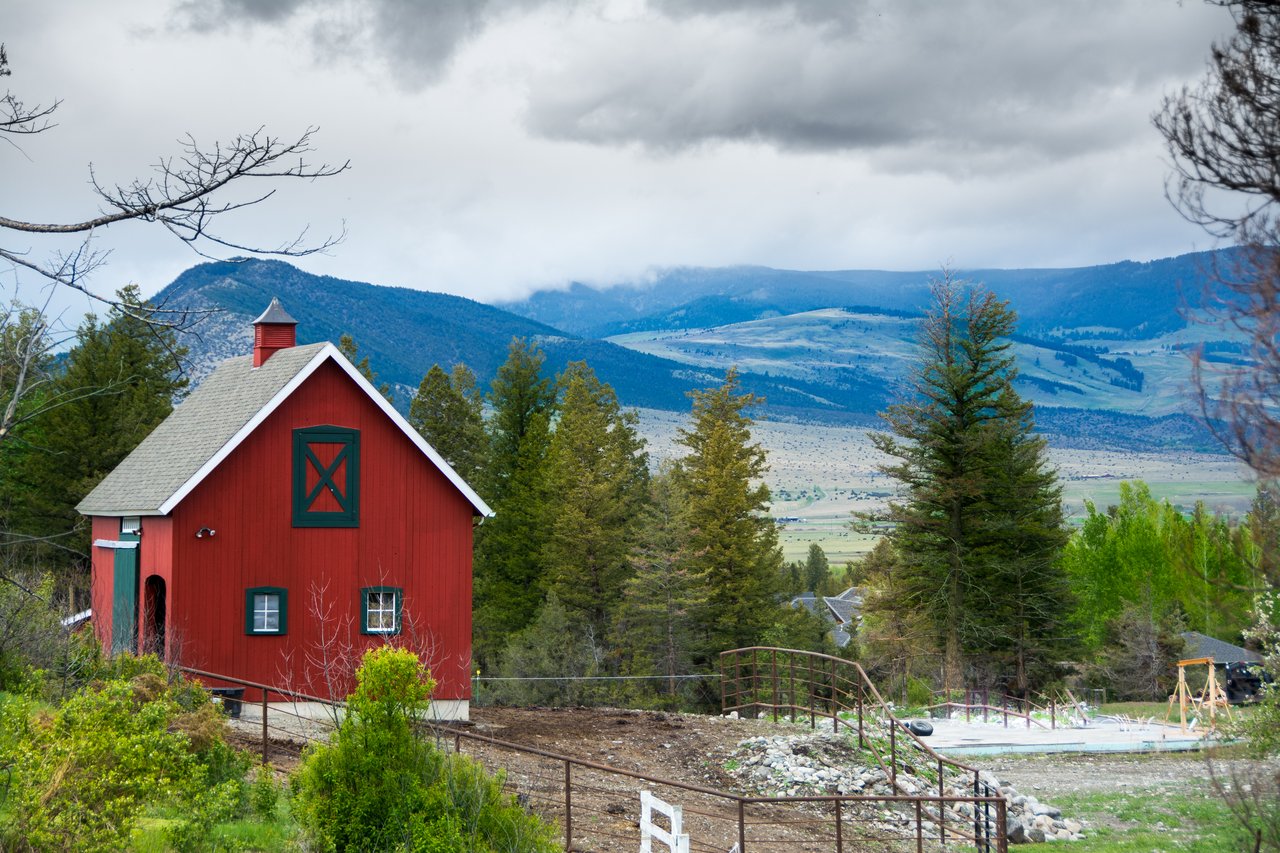
Plains is a small county-seat community in western Montana. Town life centers on a compact downtown with essential services, while ranchland, forest, and the river valley shape the edges of daily life. You get a quiet setting, close-knit routines, and quick access to the outdoors rather than big-city amenities. Many residents choose Plains for space, scenery, and a simpler rhythm.
Scenery and outdoor access
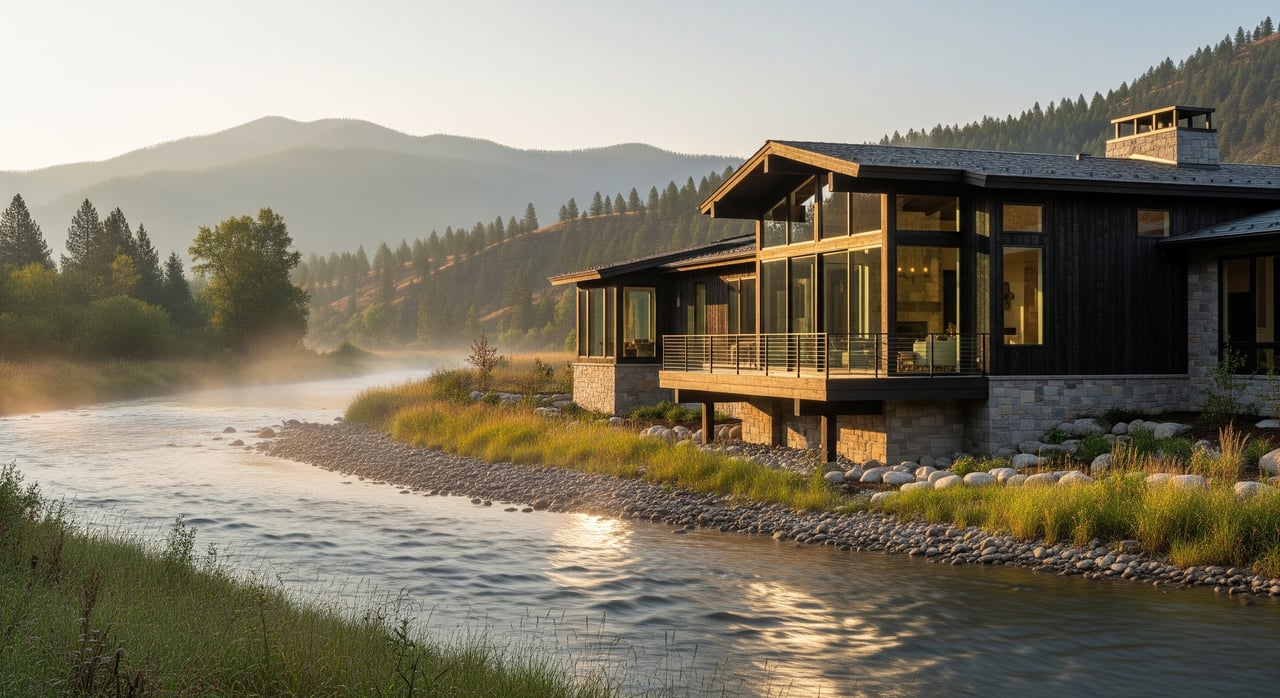
The Clark Fork River corridor and surrounding mountain ridgelines frame the views around Plains. You can expect wide valley vistas, stands of pine and fir, and sunsets that stretch across the river bottom. Public lands nearby support year-round recreation without long drives.
River time made easy
Flat-water floats, fishing from shore, and simple put-ins are common along the river. Families often choose slower stretches for safe, relaxed outings. Newcomers should learn local river conditions and follow seasonal safety guidance before launching.
Trails, forests, and wildlife
Trailheads and forest roads lead to hiking, camping, and fall hunting areas. You may see deer or elk near town and, at times, bears or moose in forested zones. Keep food secured, carry bear-aware essentials, and learn basic wildlife safety. Quiet mornings and shoulder seasons are favorite times to explore.
Weather and seasons
You will experience four true seasons. Winters are cold with measurable snow, and storms can briefly affect roads and power. Summers are warm to hot in the afternoons, often with cool nights that make for comfortable sleeping. Spring and fall bring variable temperatures, occasional wind, and quick shifts that keep a jacket handy.
Plan for winter-ready tires, snow shoveling, and a backup light source during strong systems. Many rural homes use wood, propane, or fuel oil for heat, and the short growing season matters if you garden. Rivers and mountain snowpack shape recreation and travel, especially during spring runoff.
Daily amenities and services
Day-to-day errands are straightforward. You will find a small grocery option, hardware and agricultural supplies, a post office, bank branches, and a public library. Dining leans casual with cafés, diners, and a few restaurants or bars. For specialty retail and big-box shopping, most residents plan periodic trips to a larger regional center.
Community life often revolves around local events, youth sports, school performances, and the county fair. Parks, ballfields, and simple playgrounds provide easy family time close to home. Expect friendly faces and short wait times for most local services, balanced by fewer choices than in big towns.
Getting around and commuting
Plains is car dependent. State highways and county roads connect town to nearby communities and regional hubs. Winter weather can slow travel, so keep your vehicle maintained and carry a roadside kit. Some residents commute to neighboring towns for work, healthcare, or shopping, while others live and work locally.
Commercial flights typically mean using a regional airport in a larger city. If you travel often, factor drive time and road conditions into your routine. During storm cycles, give yourself extra time and check conditions before you go.
Schools and education
You will find a small K–12 school environment with close community involvement. Smaller class sizes and multi-grade activities are common strengths in rural Montana. Program and elective choices may be more limited than in larger districts. Families often review district resources and talk with staff to understand offerings, extracurriculars, and transportation options.
Healthcare access
Primary care typically starts with a local clinic or family practice. Many small Montana towns also have a nearby critical access hospital for 24/7 emergency services. For specialty care and advanced procedures, residents usually travel to a regional medical center. Telemedicine continues to grow and can reduce certain trips if your home connectivity supports it. Ambulance and EMS services operate across the county, and response times can vary with distance and conditions.
Housing and cost of living
Housing in and around Plains ranges from in-town single-family homes to cabins, small ranch properties, and riverfront or recreational parcels. Lots are often larger than in cities, and some homes are older or updated over time. The rental market is usually limited, so planning ahead is wise if you need a lease. Home prices and living costs are often lower than in larger Montana cities, but local demand and property features can create wide variation.
Jobs and local economy
Public sector roles, education, healthcare, retail, and service trades anchor the local economy. You will also find agriculture, construction, and outdoor recreation–related work. Small-business entrepreneurship is common, and many residents combine multiple income streams. Some people commute to larger towns for specialized careers, while others choose Plains for a home base and remote work.
How Plains compares to bigger towns
Compared with regional hubs, Plains is quieter, less crowded, and simpler to navigate. You trade a wide array of stores, nightlife, and cultural venues for a strong sense of place and fast access to river and forest recreation. Healthcare and specialized services often require more driving. Housing and land can be more attainable, especially if you value acreage or privacy.
Is Plains right for you?
Use this quick gut-check:
- You want a small-town setting with mountain and river access.
- You are comfortable driving to larger towns for big shopping or specialist visits.
- You appreciate four seasons and will prepare for winter.
- You value a close-knit community and simple amenities over endless options.
- You are excited by the idea of riverfront, acreage, or recreational property.
If this sounds like you, Plains could be a great fit. With decades of Sanders County experience, Deborah Warren helps you align lifestyle goals with the right property type and location, from in-town homes to riverfront and recreational land. Ready to talk through your plans and timelines? Reach out to Deborah Warren for a local market consult.
FAQs
What is the climate like in Plains, Montana?
- Expect four distinct seasons, with cold, snowy winters, warm to hot summer days with cool nights, and variable spring and fall weather.
How far is Plains from major shopping and airports?
- Most residents drive to a larger regional hub for big-box shopping and commercial flights, and travel time varies with road and weather conditions.
What are schools like in Plains for families?
- Schools are small and community-focused, with closer relationships and fewer elective options than larger districts; review district resources for current programs.
What healthcare options are available near Plains?
- You can access local primary care and a nearby critical access hospital for emergencies, while specialty care typically requires a trip to a regional medical center.
Is internet service suitable for remote work in Plains?
- Broadband can be limited in rural areas; many residents check address-level options with local providers and consider a mix of wired and wireless solutions.
What types of homes are common in Plains, Montana?
- You will see in-town single-family homes, cabins, small ranch properties, and riverfront or recreational parcels with varied ages and updates.
Can I fish or float the river near Plains?
- The Clark Fork River corridor supports fishing and float opportunities in season; follow local safety guidance and Montana Fish, Wildlife & Parks regulations.