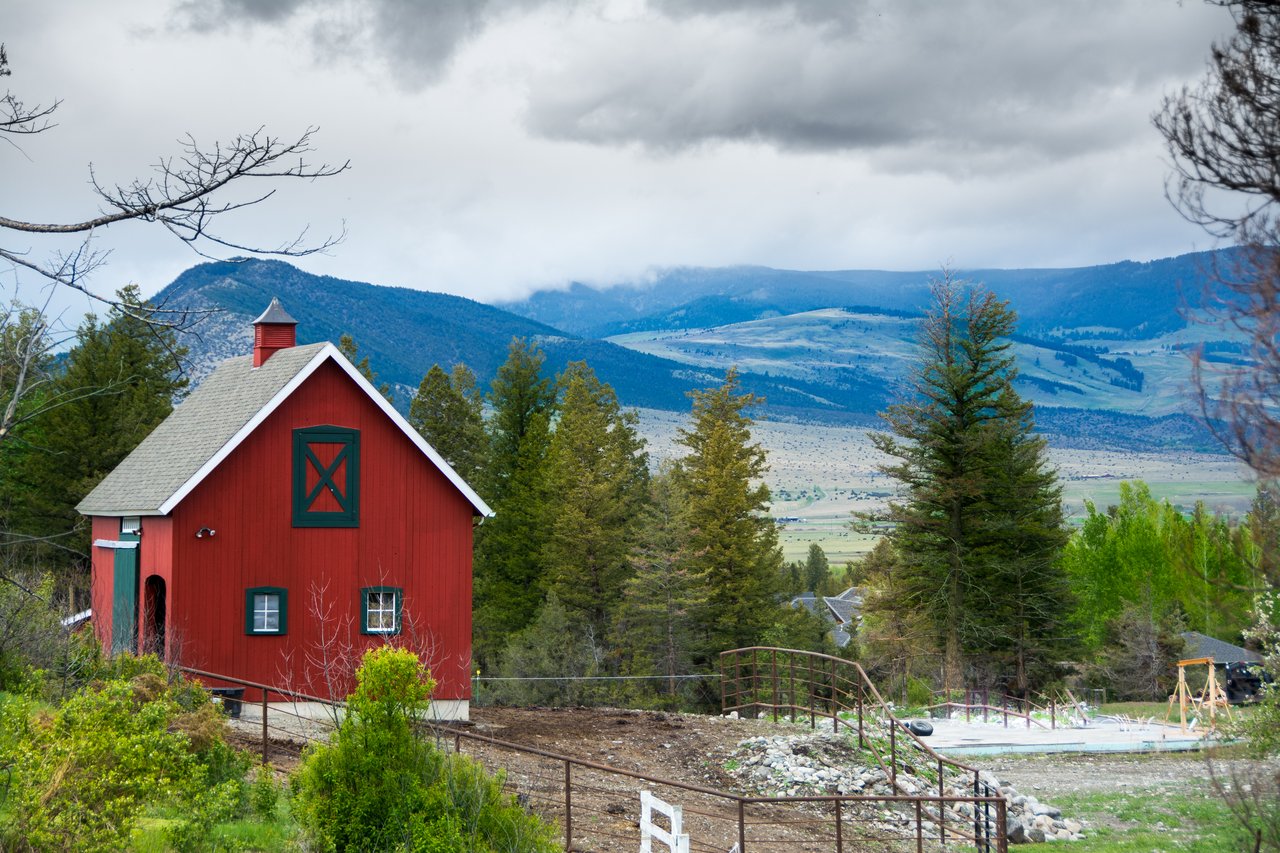
If you are selling acreage around Plains, you are not just selling dirt. You are selling access, use, records, and a clear picture of what the land can actually do for the next owner. That can feel like a lot to organize, especially when rural buyers often ask sharper questions than in-town homebuyers. The good news is that a little preparation can make your property easier to understand, easier to market, and easier to sell. Let’s dive in.
Why Plains-Area Land Sells Differently
Acreage in and around Plains is a different product than a house on a town lot. In Sanders County, buyers usually focus first on legal access, usable acres, water, utility records, and whether the parcel fits a homestead, pasture, or recreation use.
That local context matters. Sanders County covers about 2,690 square miles, with extensive public land and only about 18% private ownership. The Clark Fork River corridor also shapes buyer interest, especially for people looking at riverfront, recreation, hunting, fishing, or rural lifestyle property.
Start With Access, Not Just Address
One of the biggest mistakes sellers make is assuming a rural address answers access questions. In Sanders County, a rural address is based on the driveway location, but the county says that does not confirm legal access.
That means buyers will want more than a mailing address or a pin on a map. They may ask to review the deed, plat, survey, and any recorded easements to confirm how the parcel is legally reached.
If your driveway connects to a county road, that can bring added questions. Sanders County’s driveway-encroachment process requires a map, sight-distance details, a staked driveway, and acknowledgment of future approach maintenance responsibility.
What buyers want to know about access
- Is access legal, recorded, and documented?
- Is the access direct or through an easement?
- Does the current driveway match the recorded access?
- If a county road is involved, are the approach details clear?
Gather the Right Records Before Listing
Rural land listings move more smoothly when the paperwork is ready early. Instead of scrambling after a buyer asks for documents, it helps to assemble the core property file before the listing goes live.
Start with the deed, plat or survey, and parcel information. Sanders County’s Clerk and Recorder is the official records center for real estate records, land descriptions, plats, and surveys.
Montana Property.MT.Gov and Montana Cadastral can help with parcel research, but the Montana State Library notes that cadastral mapping is not a legal survey. The recorded deed at the county courthouse is the definitive legal description.
Helpful records to collect early
- Recorded deed
- Plat and any available survey
- Parcel data and tax ID information
- Property tax records
- Title report or abstract of title, if available
- Recorded easements
- Road maintenance agreements, if applicable
- Water rights records
- Well and septic permits, if applicable
If the parcel may be divided, the document list gets longer. Sanders County subdivision review materials call for items such as an abstract of title or title report, documentation of legal and physical access, existing easements, existing water rights, existing mineral rights, and proposed road plans.
Water, Septic, and Rights Need Clear Answers
Water can be one of the biggest value drivers on rural land, but it can also be one of the biggest sources of confusion. Sellers should be ready to explain what exists on the property and what is actually included in the sale.
Sanders County Environmental Health permits and inspects wells and wastewater systems and maintains a septic and well permit map. That makes local permit records an important part of your listing prep.
Water rights require extra attention. The Montana Department of Natural Resources and Conservation says a well log is not a water right, and for most water uses a recorded water right is required.
If your property has a well, irrigation setup, or river frontage, gather the water file before listing. DNRC also notes that water rights can be reserved or severed from a land sale only if that is addressed in a deed or other recorded document.
Be ready to answer these water questions
- Is there a well on the property?
- Is there a septic system or approved wastewater setup?
- Are there recorded water rights?
- Are those rights included in the sale?
- Is anything being retained or transferred separately?
Check Floodplain and Land-Use Issues Early
Riverfront and low-lying acreage can attract strong interest in the Plains area, but those properties often come with extra questions. Floodplain status can affect how buyers view building options, insurance planning, and future use.
Sanders County Land Services administers floodplain regulations, and the county rules apply to 100-year floodplains. The county’s Rural Addressing office also notes that new development is checked for floodplain issues.
If your land is near the Clark Fork River or in another low-lying area, it is smart to verify floodplain status early. That helps you market the parcel accurately and avoid surprises once a buyer begins due diligence.
Prep the Property So Buyers Can Read It
With rural land, showability is less about decorating and more about clarity. Buyers need to understand where they enter, what they are looking at, and how the land lays out.
A clear driveway, visible approach, and obvious access point can add real value during showings and marketing. That is especially true in Sanders County, where access details matter so much.
You do not need to over-improve the property. In many cases, the best prep is simply removing distractions and making key features easier to evaluate.
Smart prep before photos and showings
- Clear brush at the entrance
- Remove trash or abandoned equipment
- Reveal fence lines where possible
- Make likely building areas easier to identify
- Make the driveway or access point visible
- Organize records so buyers can review them quickly
Describe the Land by Actual Use
Generic phrases do not do much for rural listings. Buyers usually want to know how the land functions in real life.
In Sanders County, the Natural Resources Conservation Service identifies pasture and range as the primary agricultural use, followed by woodlands and cropland. That makes it more useful to describe a parcel as pasture, timbered acreage, buildable land, or mixed-use homestead property.
This kind of description helps buyers picture fit. It also attracts more serious interest from people who are specifically looking for grazing ground, recreational land, riverfront acreage, or a site for a future home.
Use Maps and Visuals to Tell the Story
Land is harder to understand online than a house, so visuals matter. Buyers often begin with the map and photos before they ever ask for a showing.
Marketing for acreage around Plains is typically map-first and online-first. Property.MT.Gov, Montana Cadastral, MLS feeds, brokerage websites, and social media all help buyers see where a parcel sits, what surrounds it, and how access works.
Strong imagery also matters because nearly all buyers start their search online. High-quality photos, drone footage, video, and other accurate visuals can help a rural listing stand out and make the property easier to understand from a distance.
The most useful visuals for land listings
- Boundary context maps
- Aerial photos
- Driveway and road access photos
- Views from key parts of the parcel
- Photos of river frontage, pasture, timber, or open ground
- Images that show improvements such as wells, fencing, or structures
If You Are Marketing Development Potential, Verify It First
Some sellers believe a parcel is dividable because it looks large enough on a map. In practice, buyers will want facts, not guesses.
If you plan to market land as divisible or development-ready, it is wise to talk with Sanders County Land Services early. That office administers subdivision regulations, floodplain regulations, road encroachment permits, and related review.
This step can help you avoid overstating what the property can do. It also helps create a cleaner, more credible listing for buyers who are comparing multiple tracts.
Know When Residential Disclosure Rules Apply
If your acreage includes a home, cabin, or other residential improvement, your listing may involve more than land records. Montana law requires a seller of residential real property to disclose adverse material facts actually known to the seller.
That disclosure is not a warranty, and it does not replace inspections. Still, it is an important part of preparing a sale when residential improvements are part of the property.
For bare land, buyer questions usually stay centered on access, water, rights, surveys, and use. For land with a residence, marketing and disclosure often overlap.
Why Local Marketing Makes a Difference
Selling acreage around Plains takes more than posting a few photos and waiting. Rural buyers, especially out-of-area buyers, often need a clear local guide who can help present the land accurately and answer practical questions.
That is where local experience matters. A well-marketed land listing should explain access type, water, views, building potential, pasture or timber character, and what rights or improvements are included.
For sellers in Plains and across Sanders County, that also means reaching buyers where they search while keeping the story of the property grounded in facts. The right mix of local knowledge and broad distribution can help your acreage stand out to both nearby and out-of-state buyers.
If you are thinking about selling acreage, riverfront land, or a rural homesite around Plains, a local strategy can save time and reduce confusion from the start. For a local market consult and practical guidance on preparing your property for sale, contact Deborah Warren.
FAQs
What should sellers verify first for rural land around Plains?
- Sellers should first verify legal access, usable acreage, water and wastewater information, and whether the parcel’s records match how the property will be marketed.
What records are most important when selling acreage in Sanders County?
- The most important records usually include the deed, plat or survey, parcel and tax information, easements, title documents, and any available well, septic, and water rights records.
Does a rural address confirm legal access in Sanders County?
- No. Sanders County says a rural address is based on the driveway location and does not confirm legal access.
What should sellers disclose if acreage includes a house or cabin in Montana?
- If the property includes residential real estate, Montana law requires the seller to disclose adverse material facts actually known to the seller.
Why do water rights matter when selling land near Plains?
- Water rights matter because a well log is not the same as a water right, and buyers often want to know whether water rights exist, whether they are recorded, and whether they are included in the sale.
Should sellers market land as subdividable before checking with Sanders County?
- No. If a parcel is being marketed as divisible or development-ready, sellers should talk with Sanders County Land Services early rather than making assumptions.