Buying a home in Thompson Falls while living in another state can feel like a big leap. You want enough detail to make a smart decision, but you also do not want to waste time and money on unnecessary trips. The good news is that with the right local guidance, clear due diligence, and careful closing steps, a remote purchase can be very workable in Sanders County. Let’s dive in.
Why Remote Buying Works Here
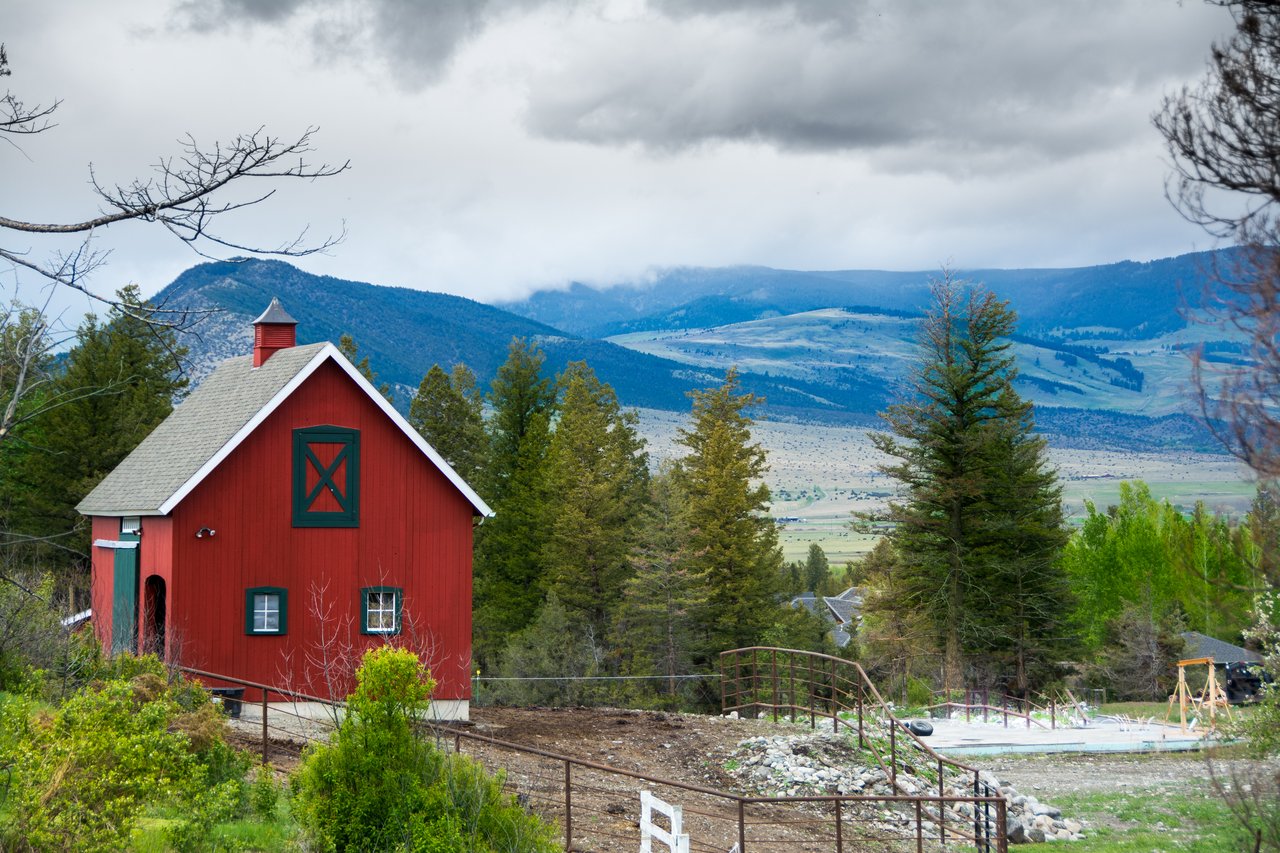
Thompson Falls is a small Northwest Montana community in the Clark Fork River valley along Highway 200, and the town highlights both its outdoor setting and the local services that support residents and visitors. That combination matters if you are buying from afar because you are looking for a place with rural character that still has the basics in place. You can learn more about the area through the official Thompson Falls town site.
There is also useful county-level data that helps frame what to expect. According to Sanders County Census QuickFacts, the county has a 2025 population estimate of 14,062, an owner-occupied housing rate of 81.3%, a median owner-occupied home value of $359,000, and broadband subscriptions in 87.8% of households. That does not guarantee service at every address, but it does show that digital communication and online document coordination are a normal part of life for many local households.
Start With a Strong Search Plan
When you are buying from out of state, clarity matters more than ever. Before you look at homes, define your goals around property type, access, acreage, budget, and whether the home will be used seasonally or year-round. In a market like Thompson Falls, that up-front planning can help you sort through homes, land, and rural properties more efficiently.
A local search platform also makes the process easier. On Deborah Warren’s property search page, you can review available listings and move quickly when something fits your needs. For long-distance buyers, that creates a practical starting point for conversations, follow-up questions, and tour scheduling.
Use Video Tours the Right Way
One of the most useful tools for out-of-state buyers is a live video showing. Deb’s website offers tour scheduling in person or via video chat, which gives you a way to see a property even if you are not ready to travel right away. That kind of flexibility can help you narrow your list before you commit to airfare, lodging, or time off work.
A video tour works best when you ask for more than a basic walk-through. In addition to the main rooms, ask to see the road approach, driveway grade, garage or storage areas, outbuildings, exterior condition, and the immediate surroundings. The Consumer Financial Protection Bureau notes the importance of looking closely at details that may affect your decision, especially when you are trying to avoid surprises later.
What to Ask During a Video Showing
- What does the property look like as you drive up?
- How steep is the driveway, and how does it appear for year-round access?
- Are there outbuildings, sheds, or other structures that should be viewed more closely?
- What are the views from key windows and outdoor spaces?
- What is immediately nearby, including neighboring structures, road traffic, or open land?
- If the property is rural, are there signs of a private well, septic components, or access limitations?
Verify Records Before You Commit
Remote buyers often worry about how to verify local property details without being in town every week. In Sanders County, the Clerk & Recorder in Thompson Falls is the official records center for real estate records, plats, surveys, and related county documents. The county also points users to electronic tools for plat maps, legal document searches, and tax records and payments.
That matters because it gives you a reliable place to confirm information during your due diligence period. You can start with the Sanders County Clerk & Recorder page to better understand what records may be available. For a remote buyer, this can reduce the need for repeated in-person visits while still helping you verify key property details.
Focus on Rural Due Diligence
If you are buying in or around Thompson Falls, some properties may have features that are common in rural markets but less common in larger cities. That is why your due diligence should go beyond square footage and finishes. You want to understand how the property functions day to day.
For homes on acreage or rural parcels, ask whether the property is served by a private well or septic system. The Montana Department of Environmental Quality explains that private well water safety is not guaranteed and that owners are responsible for testing and maintenance. If those systems are part of the property, make sure you understand their condition, maintenance history, and any testing that may be appropriate.
You should also confirm practical items that can affect everyday use, including internet service, road maintenance, snow access, and any seasonal limitations. Countywide broadband adoption is encouraging, but availability still needs to be checked address by address. This is especially important if you work remotely, plan extended stays, or need dependable year-round access.
Key Questions for Rural Properties
- Is the water source public or private?
- Is there a septic system, and what documentation is available?
- What internet providers serve the specific address?
- Who maintains the road, and how is access handled in winter?
- Are there seasonal issues that could affect access or usability?
Schedule an Independent Inspection Early
A remote buyer should treat the inspection as one of the most important parts of the process. The CFPB recommends scheduling an independent home inspection as soon as possible after choosing a home and using an inspector who is accountable to you as the buyer. If your contract includes an inspection contingency, you may be able to cancel without penalty if serious issues are found, according to the CFPB’s inspection guidance.
That is especially valuable when you are not visiting the property repeatedly in person. A careful inspection can help you evaluate condition, identify repair concerns, and decide whether to move forward, renegotiate, or walk away. In a remote transaction, it is one of your best tools for replacing uncertainty with facts.
Understand Earnest Money Before You Send It
Earnest money is a good-faith deposit that comes into play once a contract is signed. The CFPB explains that this money is usually held by the seller or a third party such as a real estate agent or title company, and it may be applied to closing costs or your down payment if the sale closes. If a buyer does not perform in good faith, the deposit can be forfeited, as outlined in the CFPB mortgage terms guide.
For an out-of-state buyer, the key is to understand exactly when the deposit is due, who will hold it, and under what circumstances it may be refunded or lost. This is not the step to rush through. Clear communication and careful review of the contract terms are essential.
Know the Remote Closing Timeline
Even when you are buying from another state, the closing timeline still follows clear federal disclosure rules. The CFPB says lenders generally must send a Loan Estimate within three business days after you submit the required information. Lenders also must provide the Closing Disclosure at least three business days before closing, as explained in the CFPB loan estimate and closing disclosure overview.
Those timing rules give you a chance to review the numbers before signing. If important loan terms change, a new three-day review period may be required. That is why it is smart to compare the Closing Disclosure with earlier estimates and ask questions right away if something looks off.
Remote Notarization Can Help
Montana allows remote online notarization, which can make long-distance closings much easier. The Montana Secretary of State explains that remote online notarization uses live two-way audio-video communication, the notary must be physically located in Montana, and the signer can be anywhere in the world. The state also provides a way to search for notaries who offer technology-based services.
This can simplify logistics if you are trying to close without flying back to Montana. Even so, you still want to confirm early whether your lender, title company, and closing parties are all set up for the same process. A smooth remote closing usually depends on good coordination well before signing day.
Do a Final Walk-Through If Possible
Even when much of the transaction happens remotely, a final walk-through still matters. The CFPB advises buyers to do a final walk-through before signing any papers and to review closing documents carefully. If something does not match your expectations, you should stop and ask your real estate agent, settlement agent, or lender for clarification before signing, based on the CFPB closing guidance.
If you cannot attend in person, talk through your options in advance. The goal is to confirm the property’s condition and make sure agreed-upon terms have been met before money changes hands. In a remote purchase, this step helps protect you from last-minute surprises.
Protect Yourself From Wire Fraud
If there is one risk every remote buyer should take seriously, it is wire fraud. The CFPB warns that scammers often target buyers near closing by sending fake last-minute emails with fraudulent wiring instructions. The safest move is to verify wire instructions by phone or in person with trusted parties and never rely only on an email, as outlined in the CFPB warning on mortgage closing scams.
This is a simple step, but it is critical. Treat every request involving closing funds with extra caution, especially if it arrives suddenly or includes a change in payment instructions. A quick verification call can prevent a very expensive mistake.
What Happens After Signing
Even when documents are signed remotely, the local recording step still matters. In Sanders County, real estate documents are recorded through the Clerk & Recorder’s office in Thompson Falls. That local recording process is one of the final pieces that completes the transaction and helps formalize the transfer.
For out-of-state buyers, this is a good reminder that remote buying does not mean skipping local procedures. It simply means handling as many steps as possible through digital tools, trusted professionals, and careful planning. With the right support, the process can feel much more manageable.
Work With a Local Guide
Buying from afar is easier when you have someone local who understands Sanders County, communicates clearly, and can help you spot the details that matter. That is especially true if you are comparing homes, recreational property, or acreage where access, utility service, and land features can have a big impact on your decision.
If you are considering a move or second-home purchase in Thompson Falls, Deborah Warren can help you navigate the process with practical local insight, video-tour options, and straightforward guidance from search to closing.
FAQs
Can you buy a home in Thompson Falls without visiting first?
- Yes. A purchase can be handled remotely through video tours, inspections, digital coordination, and remote online notarization, though a final walk-through before closing is still recommended when possible.
What matters most when remotely buying rural property in Sanders County?
- Focus on records access, internet availability at the exact address, road access, snow-season practicality, and whether the property uses a private well or septic system.
What is the biggest risk in a remote home purchase in Thompson Falls?
- Two major risks are property-condition surprises and wire fraud, which is why inspections, document review, and direct verification of wiring instructions are so important.
How can you research property records in Sanders County from out of state?
- You can use the Sanders County Clerk & Recorder resources, which include access points for real estate records, plats, surveys, legal document searches, and tax-related information.
Can you sign Thompson Falls closing documents from another state?
- Yes. Montana allows remote online notarization, which can make it possible to sign closing documents from another location as long as the closing parties support that process.