Picture a long weekend where you slip a canoe into the Clark Fork at sunrise, then ride forest roads to a quiet ridge by afternoon. If you are considering recreational land near Plains in Sanders County, you likely want privacy, easy access to trails and water, and a simple base for your Montana adventures. This guide breaks down what “recreational land” means here, the parcel types you will find, what to expect with access and utilities, and the key due diligence steps that help you buy with confidence. Let’s dive in.
What recreational land means near Plains
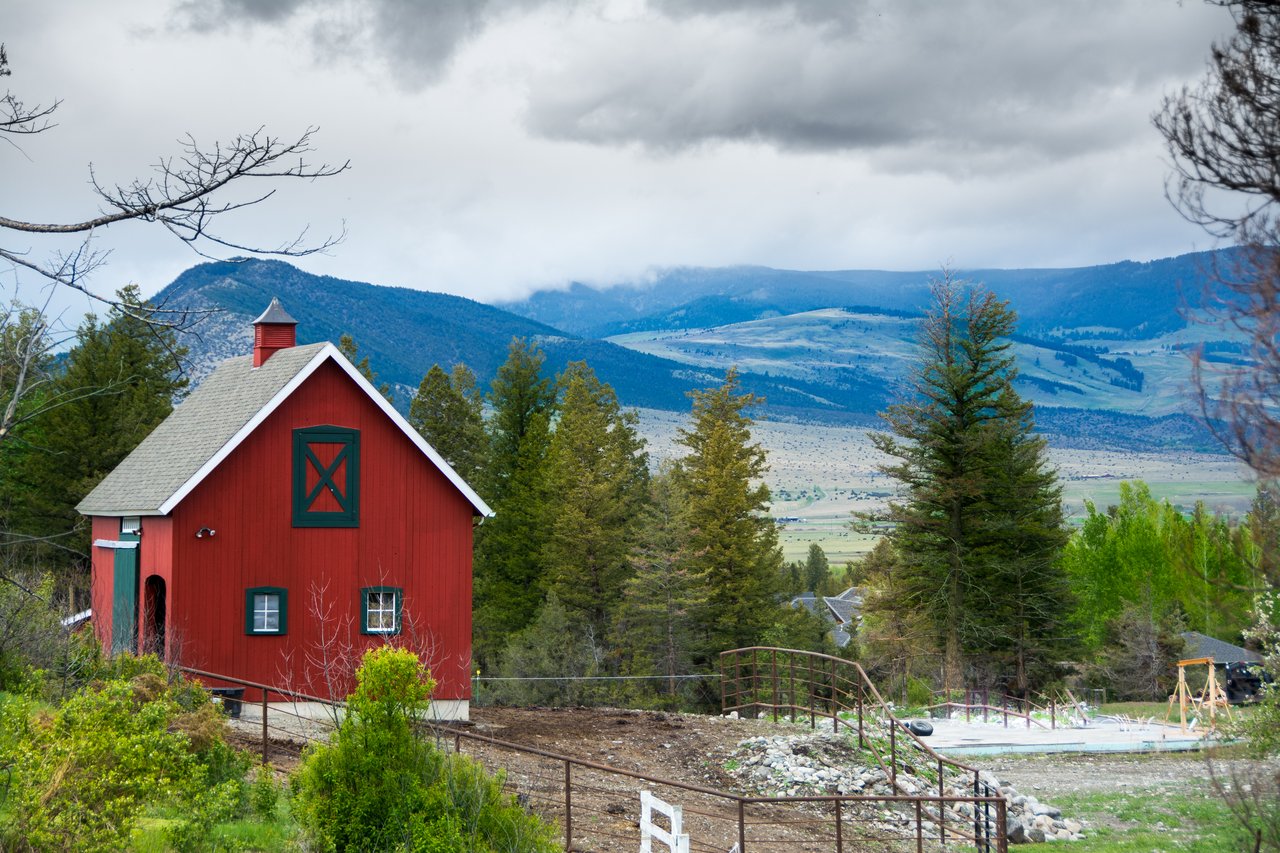
Plains sits in a broad river valley framed by forested hills and foothills that lead toward national forest and wilderness. The area attracts buyers who want space for hunting, fishing, boating, horseback riding, ATV/snowmobile use, and seasonal cabins rather than suburban living. Services in town are modest compared with larger cities, so plan to drive for some supplies, medical care, and specialized contractors.
Buyers from out of state often prioritize parcels within an hour or so of basic services. They look for legal access, usable topography, proximity to public lands and water, and a manageable level of ongoing upkeep.
Common parcel types and features
Typical sizes you will see
- Small lots: about 1 to 10 acres, often in rural subdivisions suited to cabins or camps.
- Lifestyle tracts: roughly 10 to 40 acres, a popular range that balances privacy and cost.
- Large tracts: 40 to 160+ acres, often timbered, mixed-use, or hunting properties.
Features that drive value
- Road accessibility and whether it is public or via a recorded easement.
- Proximity to the Clark Fork River or nearby reservoirs.
- Views, timber cover, and mix of open and wooded ground.
- Presence of springs, ponds, or perennial creeks.
- Distance to basic services and medical facilities.
Parcels with good access, nearby public land, and reliable water sources tend to command higher prices. Land classifications and local demand also influence value.
Access to trails, water, and public lands
Public land and trail basics
The Plains area sits near large blocks of public lands, including national forest and state parcels. You will find trailheads, dispersed camping, and forest roads that support hiking, biking, hunting access, OHV/ATV riding, and snowmobiling. Many trailheads are reached by Forest Service roads that can be gated or seasonally closed. Private parcels may rely on easements across neighboring land for access, so it is critical to confirm recorded access.
Water access and major water bodies
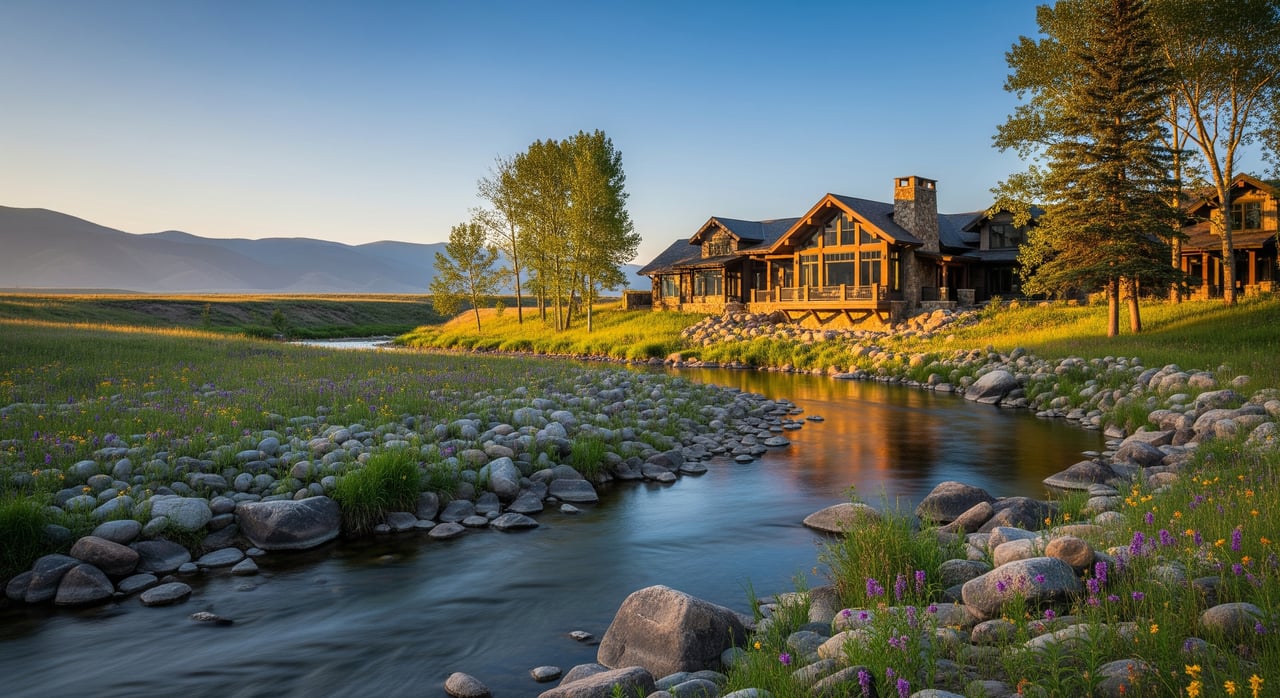
The Clark Fork River is the valley’s signature water resource for boating and fishing. Upstream impoundments, including Noxon Reservoir and other reservoirs on the Clark Fork, offer boating and fisheries like bass and kokanee. On rural parcels, small ponds, springs, and seasonal creeks are common, while dependable year-round water and usable water rights are less common and add value.
Hunting and fishing expectations
Montana Fish, Wildlife & Parks regulates seasons and licenses, including nonresident rules. Private land access is controlled by the owner, but the Block Management Program opens enrolled private lands to public hunting. Protected trout species may require special handling and compliance with stream-specific regulations. Plan ahead, study local maps and regulations, and understand the difference between private and public access.
Utilities and off-grid reality
Power and energy
Many recreational parcels near Plains have electrical service at or near the lot line. Remote tracts may require a line extension at the buyer’s expense. Off-grid energy solutions are common for cabins, using generators, solar, and propane.
Water and sanitary systems
Outside town limits, municipal water and sewer are rare. Most buyers rely on a private well (where groundwater conditions allow) and a septic system approved by county environmental health. Some cabins use hauled water and non-plumbed solutions. Percolation tests and septic permits are county-managed, and wells must be drilled by licensed professionals with proper state reporting.
Internet and cell coverage
Cell service can be spotty in valleys and foothills. Satellite internet and fixed wireless are common options. If remote work matters, test cell reception on site and confirm available internet options before you commit.
Roads and seasonal access
County roads are generally maintained year-round, but snow and ice can slow plowing. Private roads depend on shared agreements, HOAs, or informal arrangements for maintenance and snow removal. Forest Service roads and smaller spurs often close seasonally due to snow, mud, or conservation practices. Higher elevations and shaded canyons see longer winter impacts.
Fire, flood, and weather
Wildfire risk is a real consideration in western Montana, especially in dry years. Defensible space, home hardening, and insurance availability are important. Parcels near the Clark Fork or along creeks may fall within FEMA flood zones, so it is smart to check flood maps. Higher elevations can have deeper snow and shorter building seasons.
Legal and due diligence essentials
Title and legal access
Verify recorded access for any parcel not directly on a public road. Unrecorded “use” is not the same as a deeded easement, so confirm access on the title report and via maps. If boundaries are unclear, order a new boundary survey.
Water rights and wells
Montana water rights are a separate legal interest that may not automatically transfer with the land. Confirm whether the parcel has a recorded surface or groundwater right, a spring claim, or ditch rights. If a well exists, obtain the well log; if not, learn the local process and conditions for drilling.
Covenants, zoning, and HOAs
Some rural areas have limited county restrictions, but many subdivisions record covenants. Typical items include building standards, setbacks, road maintenance obligations, limits on RV or seasonal occupancy, and fire mitigation responsibilities. Review all CCRs and any HOA or road association fees. Check county planning for permits, land use, and any rules that might affect your plans.
Minerals, timber, and leases
Mineral rights are often severed from surface rights in Montana. Confirm what mineral interests convey. Also check for timber or grazing leases or logging rights that could impact your use of the land.
Local offices and resources to contact
- Sanders County Clerk & Recorder for deeds, covenants, and easements.
- Sanders County Planning and Zoning for subdivision rules and permits.
- Sanders County Sanitarian/Environmental Health for septic requirements.
- Montana DNRC for water rights and well logs.
- Montana Fish, Wildlife & Parks for hunting and fishing rules and Block Management Program details.
- USDA Forest Service for forest road status and trail access.
- Local title companies and surveyors for title insurance and boundary surveys.
- Local utility providers for electrical service and line extension estimates.
- Local fire district for wildfire risk guidance and defensible space expectations.
Step-by-step buyer checklist
- Define your goals: hunting, fishing, horses, motorized recreation, or a seasonal cabin.
- Set location parameters: drive time to Plains and essential services you need.
- Confirm recorded access: public road frontage or deeded easement; drive the route.
- Walk the land: note topography, building sites, timber, and proximity to public land.
- Order title work: look for easements, liens, covenants, and mineral reservations.
- Review covenants and HOA documents: understand use limits and road fees.
- Verify utilities: power at the lot line, distance to extend, and alternative energy plans.
- Evaluate water: existing well and well log, springs, or feasibility of drilling.
- Test soils and septic feasibility: consult county environmental health early.
- Check water rights: confirm any recorded rights or ditch shares via state records.
- Assess hazards: wildfire fuels, defensible space, flood zones, and wetlands.
- Confirm seasonal access: who plows, how roads hold up, and seasonal closures nearby.
- Verify hunting/fishing access: public lands, BMP areas, and local regulations.
- Budget for improvements: road work, clearing, utilities, well, and septic.
- Engage local pros: surveyor, title company, and an experienced local agent.
Costs and risk watchouts
Out-of-state buyers often underestimate the cost of extending power or building a driveway on timbered or steep terrain. Snow management and private road maintenance can add ongoing costs. Insurance availability and premiums can be influenced by wildfire risk and distance from fire response. Extremely remote parcels or those with strict restrictions may limit resale options later.
Make your Plains search productive
A strong plan pairs your lifestyle goals with the realities of access, utilities, and seasonal conditions. With clear due diligence and local guidance, you can find a property that delivers quiet weekends, reliable access to public lands, and a straightforward ownership experience. If you want a knowledgeable local advocate who understands riverfront corridors, recreational acreage, and county processes, connect with Deborah Warren for practical next steps and on-the-ground insight.
FAQs
What parcel size fits recreational goals near Plains?
- For a balance of privacy and upkeep, many buyers choose 10 to 40 acres, while 1 to 10 acres can suit cabins and 40+ acres can support hunting and multi-use needs.
How do I confirm legal access to a rural Montana parcel?
- Verify a recorded easement or public road frontage on the title report and physically drive the access route to ensure it is usable year-round.
Will my Plains acreage have year-round road plowing?
- County roads usually are maintained, but private roads depend on road associations or owner agreements, so confirm maintenance responsibilities and winter plans.
Can I drill a well on recreational land in Sanders County?
- Many parcels use private wells, but you should consult local groundwater information, hire a licensed driller, and follow state reporting and county permitting.
What should out-of-state buyers know about wildfire and insurance in western Montana?
- Expect to evaluate defensible space, home hardening, and insurance options early, especially on forested parcels or in higher-risk areas.
Where can I legally hunt or fish near Plains if I buy land?
- Public lands and enrolled private lands through the Block Management Program offer access; always follow Montana Fish, Wildlife & Parks regulations and property rules.