Thinking about moving to Plains from out of state? If you are coming from a larger metro area or a faster-paced suburb, the adjustment can feel both exciting and a little uncertain. The good news is that Plains offers the basics many buyers need, along with the slower rhythm and outdoor setting that draw people to Sanders County in the first place. This guide will walk you through what daily life, housing, weather, and moving logistics are likely to look like so you can plan with more confidence. Let’s dive in.
Plains has a true small-town feel
Plains is a very small town in Sanders County, and that shapes almost everything about daily life. The town estimates its population at 1,137 in 2021, while the broader Plains Census County Division had 3,951 people in the 2020 Census.
That smaller scale often appeals to buyers who want a quieter setting and a more grounded pace. Instead of a large suburban service network, you can expect a service-centered rural town with core local institutions and a strong sense of visible community involvement.
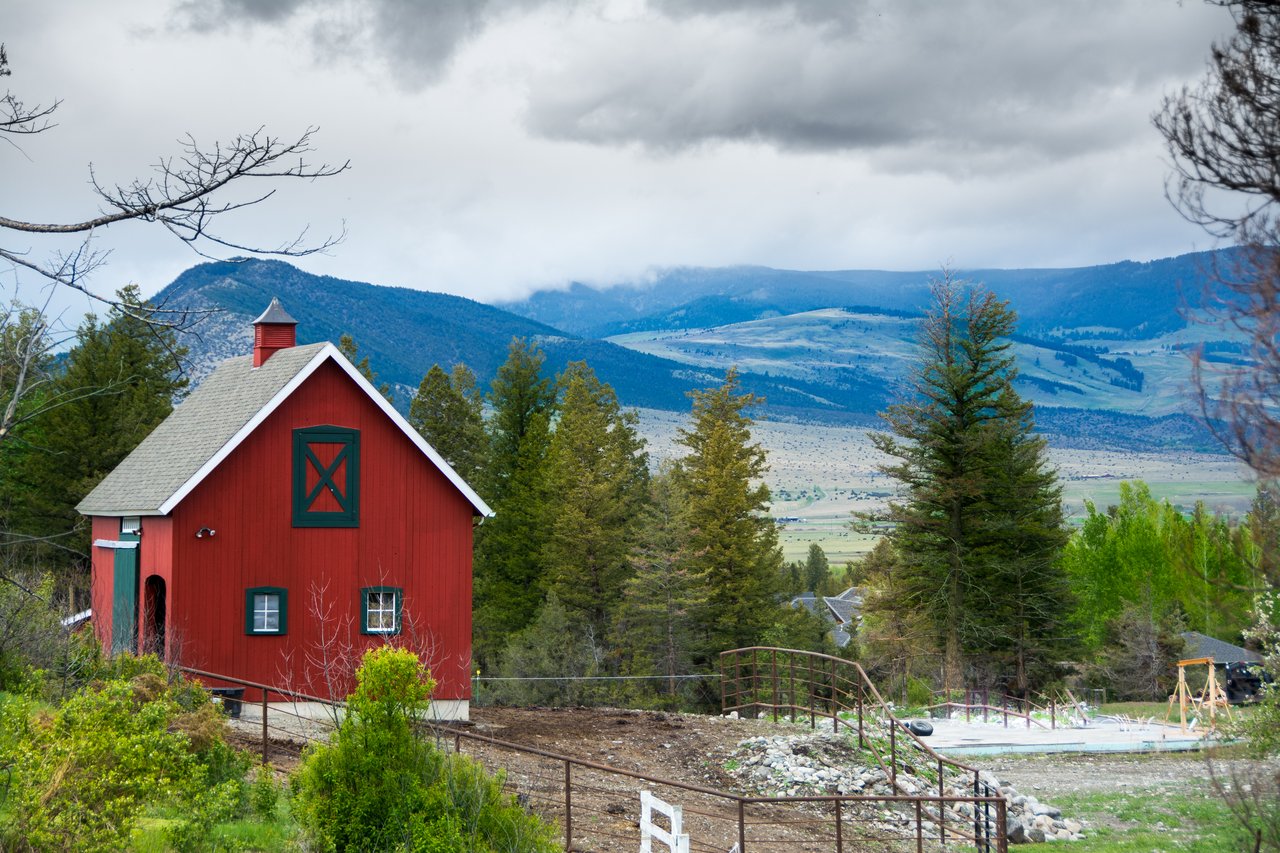
The setting around Plains is also a major part of the experience. Sanders County sits in mountainous northwestern Montana along the Clark Fork River corridor and includes two national forests, the Cabinet Mountain Wilderness, and the National Bison Range. With only 18% of county land privately owned, the surrounding landscape plays a big role in how the area feels.
Community life in Plains tends to be practical and hands-on. The town hosts Beautification Days twice a year, which is a useful sign that volunteer help and neighborhood upkeep matter here.
Daily services are in place
If you are worried that moving to a small Montana town means giving up the basics, Plains may feel more functional than you expect. The town website lists public safety, public works, water bill payment, forms and permits, ordinances, schools, a library, churches, and a business directory.
Public Works maintains streets, drainage, sewer, and water utilities. The Plains Police Department reports that it operates with three full-time officers.
For many out-of-state buyers, this means Plains is not just scenic. It is a real working town with essential systems in place, even if the scale is much smaller than what you may be used to.
Schools, library, and healthcare are local
For households that want nearby day-to-day resources, Plains has several important local anchors. Plains Public Schools lists its district office on Rittenour Street, and the town history page says the district operates a K-12 campus with about 400 students.
The Plains Public Library is open Monday through Thursday from 10 a.m. to 6 p.m. It also offers a no-password Wi-Fi network available 24/7, plus public computers during open hours.
Healthcare is also rooted locally. Clark Fork Valley Hospital and Family Medicine Network is a 16-bed critical access hospital serving Sanders County and the surrounding area, with family medicine offices in Plains, Thompson Falls, and Hot Springs, along with walk-in care in Plains.
Internet and travel may require a mindset shift
If you work remotely or travel often, it is smart to set expectations early. Sanders County reports that 87.8% of households have a broadband internet subscription, which suggests connectivity is workable for many households, but you should not assume the same consistency or speed you might expect in a larger urban market.
The county also reports three active airports in Thompson Falls, Plains, and Hot Springs. Even so, moving to Plains usually means accepting a more rural transportation pattern and planning ahead more often.
That does not have to be a drawback. For many buyers, it is simply part of the tradeoff for space, scenery, and a quieter lifestyle.
Housing in Sanders County looks different
Out-of-state buyers are often surprised by how different rural housing decisions can feel. County-level housing figures show that 81.3% of housing units are owner-occupied, with a median owner value of $359,000 and median gross rent of $820.
Those numbers are broad county benchmarks, not a promise of what you will find in any one part of Plains. Still, they help frame the market and suggest that homeownership is a major part of the local housing picture.
If you are shopping in and around Plains, you may also see more variety in property type than in a typical subdivision market. Depending on your goals, that can include single-family homes, acreage, riverfront property, recreational land, or small commercial parcels.
Rural properties need closer review
If you are moving from out of state and considering acreage, land, or a home outside the core town area, due diligence becomes especially important. In Sanders County, rural property details can affect how usable and straightforward a parcel really is.
The county says the Clerk and Recorder is the official records center for real estate records, land descriptions, plats, and surveys. County quick links include an electronic plat map, plat records, legal document search, and tax records and payments.
The county also makes an important point about access. Rural Addressing and GIS states that a rural address does not confirm legal access, and owners are encouraged to review plats and deeds for their parcel.
That is a key detail for out-of-state buyers. A property can look ideal online, but access, boundary details, and recorded documents still need careful review before you move forward.
Check wells, septic, and permits early
For acreage and rural homesites, county departments flag several issues you should review as early as possible. Environmental Health permits and inspects wells and wastewater systems, while Land Services administers subdivision, floodplain, airport affected area, and road-encroachment permits.
In practical terms, that means you should ask early about:
- Legal access
- Plats and deed records
- Well status
- Septic or wastewater system status
- Floodplain considerations
- Subdivision and permit history
For out-of-state buyers, this is where strong local guidance can make the process feel much more manageable.
You can handle much of the move remotely
One encouraging part of moving to Plains from another state is that Sanders County is set up better than many rural markets for remote coordination. County offices provide access to records, plats, legal document searches, and tax tools online.
The Treasurer's Office also handles out-of-state title transfers and registration renewals. That can make the transition smoother once you begin changing over your records and vehicles.
Montana also allows Remote Online Notarization and remote notarization. According to the Montana Secretary of State, the notary must be physically in Montana, the signer can be anywhere, and remote notarizations are electronically recorded.
This does not mean every part of a transaction becomes effortless, but it does mean many buyers can complete a large share of the process without being in town every step of the way.
Protect yourself during closing
When you are moving from out of state, digital convenience is helpful, but it also means paying close attention near closing. Mortgage wire fraud scams often target buyers in the final days before closing.
If you ever receive a last-minute request to change wiring instructions, treat it with caution. Verify any change through a known phone number or contact method you already trust.
Plan for real winter weather
If you are moving from a milder climate, weather may be one of your biggest adjustments. The town describes Plains as having warm, dry summers and cold, mostly cloudy winters.
NOAA monthly normals for nearby Thompson Falls show a mean annual temperature of 47.7°F, annual precipitation of 22.05 inches, and annual snowfall of 15.3 inches. July's mean daily maximum is 86.4°F, and December's mean daily minimum is 24.5°F.
That range tells you something important. Living near Plains means getting ready for a real seasonal swing rather than a nearly constant climate.
What winter prep usually means
For many out-of-state movers, winter is less about dramatic snowfall totals and more about habits and readiness. It is wise to think ahead about heating costs, vehicle condition, snow and ice awareness, and the fact that daily routines can slow down during winter weather.
If you are buying a home, pay attention to practical details such as driveway conditions, access during colder months, and how the property will function in snow or ice. These are everyday quality-of-life questions that matter in rural Montana.
Driver and vehicle updates matter
After you establish permanent residence in Montana, there are a few transition steps to handle. The Montana Driver Manual says a new resident must obtain a Montana driver license and may use an out-of-state license for up to 60 consecutive days.
If your out-of-state license is valid and in your possession, a basic license may be exchanged without written or road tests. For many movers, that is one of the easier parts of the transition once they know the rule.
The Sanders County Treasurer's Office also handles out-of-state title transfers and registration renewals, which makes it a useful local office to keep on your moving checklist.
What the move often feels like
Most out-of-state buyers moving to Plains are not looking for a packed suburban calendar or big-city convenience around every corner. They are usually looking for space, landscape, quieter routines, and a town where essential services still exist without the pace and density of a larger market.
That is often exactly what Plains offers. You can expect a small-town setting, core daily services, local healthcare and schools, workable internet for many households, and a housing market where property details matter, especially outside town.
The biggest adjustment is usually not whether Plains has the basics. It is learning how to think more locally about weather, travel, land records, access, and seasonal living.
If you are preparing for a move to Plains or anywhere in Sanders County, local guidance can make the process clearer from the start. For a local market consult and practical help with homes, acreage, or relocation planning, connect with Deborah Warren.
FAQs
What is daily life like when moving to Plains from out of state?
- You can expect a quieter small-town pace with core services like public works, police, schools, a library, healthcare, and county support systems, but not the scale of a larger suburban market.
Can you buy a home in Plains while living in another state?
- Yes, much of the process can be coordinated remotely through county record tools, online tax resources, and Montana's remote notarization framework.
What should out-of-state buyers check on rural Plains properties?
- Focus early on legal access, plats, deeds, well and septic status, and any subdivision, floodplain, or permit issues flagged by Sanders County.
What is winter like for new residents in Plains, Montana?
- Plains has warm, dry summers and cold, mostly cloudy winters, so new residents should plan for seasonal temperature swings, winter driving awareness, and heating-related home considerations.
How soon do new Montana residents need a Montana driver license?
- After establishing permanent residence, you can use your out-of-state license for up to 60 consecutive days before obtaining a Montana driver license.