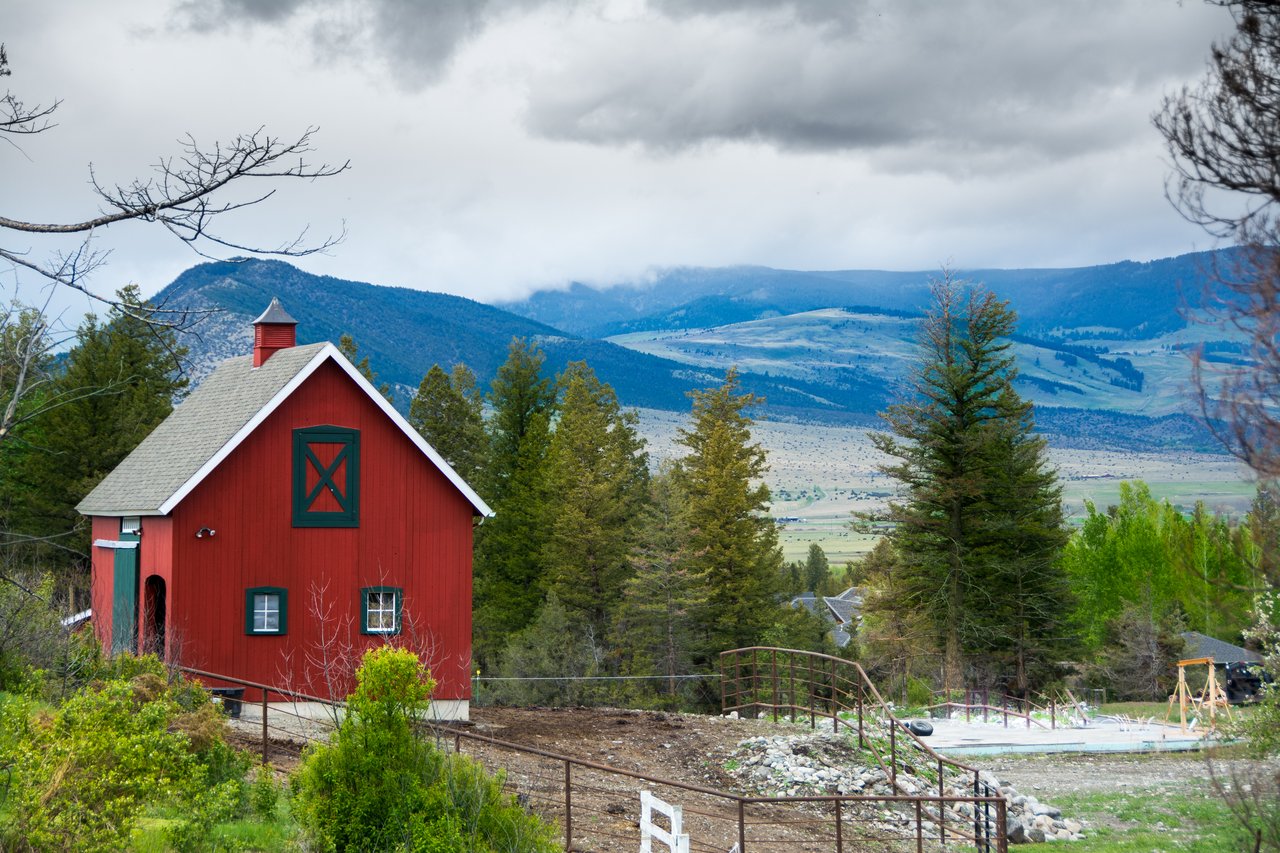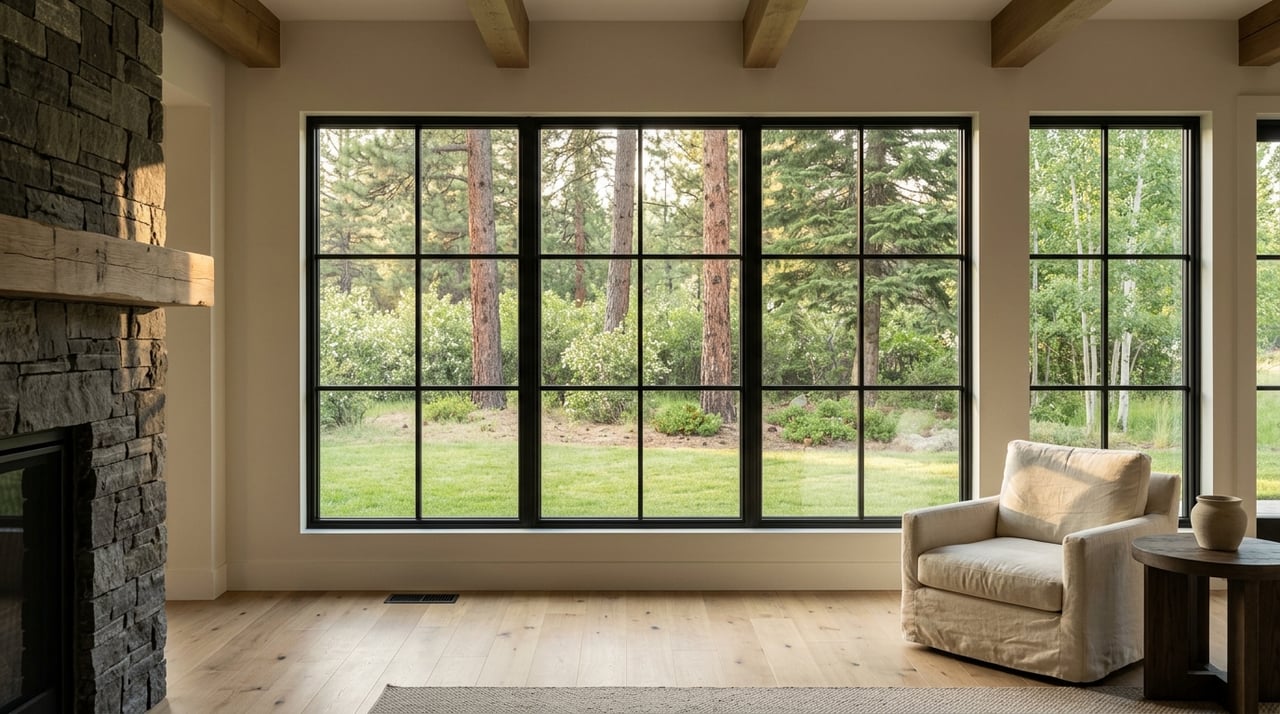
Choosing between an in-town home and an acreage property in Plains is not just about square footage or views. It is really about how you want to live day to day, what kind of property upkeep you are comfortable with, and how much hands-on responsibility you want to take on. If you are weighing both options, this guide will help you compare the practical differences in Plains so you can move forward with more confidence. Let’s dive in.
Why this choice matters in Plains
Plains has a unique local setup that makes the in-town versus acreage decision especially important. The incorporated town is served by public water and sewer, and the Town of Plains maintains public works for streets, drainage, sewer, and water utilities.
Outside town, the picture often changes. According to Montana DEQ, homes beyond city limits commonly rely on private wells or springs and onsite septic systems. That means your lifestyle choice may also become a systems and maintenance choice.
What in-town homes usually offer
If you want a simpler day-to-day setup, an in-town home may be the easier fit. In Plains, town properties are generally tied to municipal water and sewer service, which can reduce the amount of private infrastructure you need to manage yourself.
Town living can also make routine logistics more straightforward. The town provides access to public works information, water billing, and permits, and Sanders County operates a refuse district with a Plains site. For many buyers, that convenience is a major plus.
Benefits of in-town living
In-town homes often appeal to buyers who want a more predictable property routine. You may still have normal home maintenance, but you are usually dealing with fewer land and utility systems than you would on a rural parcel.
Common advantages can include:
- Municipal water service
- Municipal sewer service
- Access to town-managed streets and drainage systems
- Easier access to public works and utility information
- Less private land to maintain
Tradeoffs to consider in town
The biggest tradeoff is usually space. In-town living often means choosing convenience and simpler service access over larger lots, wider separation from neighbors, or a more self-directed rural setup.
That does not make it a lesser choice. It simply means your priorities may lean more toward ease of ownership and less toward land management.
What acreage homes usually offer
Acreage properties outside Plains often attract buyers who want more room, privacy, or a stronger connection to Montana’s outdoor lifestyle. For many people, that extra space is the whole point.
At the same time, rural ownership usually comes with more direct responsibility. In Sanders County, acreage homes more often rely on private wells, springs, and septic systems, and owners may need to think more carefully about road access, seasonal upkeep, and wildfire planning.
Benefits of acreage living
For the right buyer, acreage can offer a lifestyle that is hard to match in town. More land can mean more flexibility in how you use and enjoy your property, along with a greater sense of separation from nearby homes.
Acreage properties may be a strong fit if you value:
- More space around your home
- A more private setting
- Room for outdoor recreation or hobby use
- A more self-directed property lifestyle
- A setting that feels more removed from town services
Tradeoffs to consider on acreage
That extra freedom usually comes with extra responsibility. Sanders County is largely public land, with only 18% privately owned according to NRCS, so private parcels can feel more independent and farther from town-style service systems.
In practical terms, that can mean more moving parts to evaluate before you buy. Wells, septic systems, private access issues, drainage, and ongoing land care can all play a bigger role in your decision.
Utilities are the biggest divide
In Plains, the clearest line between in-town and acreage living is utilities. If you buy in town, you are more likely to have municipal water and sewer. If you buy outside town, you are more likely to manage your own well, spring, and septic setup.
That matters because utility ownership affects your budget, your maintenance routine, and the kind of due diligence you need before closing. It also shapes how much independence you want from public systems.
Questions to ask about rural utilities
If you are touring acreage homes, ask direct questions early. Sanders County Environmental Health permits and inspects well and wastewater system installations, so records and maintenance history can be important pieces of the puzzle.
Here are a few smart questions to ask:
- Is the water source a well or spring?
- Are well and septic permits available?
- Have the systems been inspected or updated?
- Are maintenance records available?
- What routine upkeep should you expect after purchase?
County homeowner guidance also notes that septic filters should be cleaned yearly and tanks pumped every 3 to 5 years depending on use. That is the kind of ongoing ownership detail many first-time acreage buyers do not want to overlook.
Road access can change your experience
A beautiful property can feel very different depending on how you reach it. With acreage homes, road access is not just a convenience issue. It can affect maintenance, winter use, dust control, and even what approvals may be required.
Sanders County says dust-control applications are only for county-maintained gravel roads. The county also requires driveway encroachments when a driveway accesses a county road or state highway.
Why road questions matter
Not every rural road is maintained the same way. County subdivision materials note that private-road maintenance agreements commonly address snow removal, grading, dust control, culverts, and stormwater drainage.
Before you fall in love with an acreage property, make sure you understand:
- Whether the road is public, county-maintained, or private
- Who handles snow removal
- Who pays for grading or dust control
- Whether there is a road maintenance agreement
- Whether drainage or culvert issues affect access
These questions can help you see the true day-to-day picture of a rural property.
Wildfire planning is part of acreage ownership
If you are considering land outside town, wildfire planning should be part of your decision from the start. Sanders County Emergency Management is actively working on the county’s Community Wildfire Protection Plan, and county staff note that most private land in Sanders County is considered to be in the wildland-urban interface.
That does not mean you should avoid acreage. It means you should go in with a clear understanding of the upkeep involved and the steps that can help reduce risk.
What buyers should know
MSU Extension says defensible space and wildfire-resilient landscaping are important tools for reducing home ignition risk. County materials also note that Firewise standards and noxious-weed management plans may be part of subdivision approvals in some areas.
If you are comparing acreage homes, ask yourself whether you are comfortable with:
- Ongoing vegetation management
- Creating and maintaining defensible space
- Monitoring weeds and land conditions
- Taking a more active role in seasonal property care
For some buyers, this is a natural fit. For others, it may be a sign that in-town living is the better match.
A simple way to decide
If you are torn between an in-town home and acreage, try thinking beyond features and focusing on ownership style. The right choice often comes down to how much convenience you want versus how much land stewardship you are ready to manage.
In-town living in Plains usually favors easier access to municipal services and less private-system upkeep. Acreage living usually favors privacy, space, and a more self-managed property experience.
Ask yourself these five questions
Before scheduling more tours, take a minute to answer these honestly:
- Do you want municipal water and sewer, or are you comfortable managing a well and septic system?
- Are you prepared to research road maintenance and access details?
- Do you want a lower-maintenance property routine, or are you comfortable with more hands-on upkeep?
- Are you ready for wildfire mitigation and seasonal land care?
- Does the property’s access, utilities, or drainage call for extra due diligence before closing?
Those answers can quickly point you toward the better fit.
The bottom line for Plains buyers
There is no one-size-fits-all answer in Plains. An in-town home may be the right move if you want convenience, town utilities, and a simpler ownership experience. An acreage property may be the better match if you want more privacy, more land, and are comfortable taking on the responsibilities that come with rural living.
The key is not just finding a property that looks right. It is finding one that fits the way you want to live, maintain, and enjoy your home over time. If you want local guidance as you compare homes in town and outside town, Deborah Warren can help you evaluate the details that matter in Plains and across Sanders County.
FAQs
What is the main difference between in-town and acreage homes in Plains, Montana?
- In Plains, the biggest difference is usually utilities and upkeep. In-town homes are generally served by municipal water and sewer, while acreage homes outside town often rely on private wells, springs, and septic systems.
Are acreage properties in Sanders County harder to maintain?
- They can be more hands-on because owners may need to manage septic maintenance, water systems, road access issues, wildfire mitigation, and general land care.
Do rural homes near Plains always have private roads?
- Not always, but road type is an important question to ask. Some roads are county-maintained, while others are private and may involve maintenance agreements covering snow removal, grading, dust control, and drainage.
Is wildfire planning important for acreage homes around Plains?
- Yes. Sanders County notes that much of its private land is in the wildland-urban interface, and MSU Extension recommends defensible space and wildfire-resilient landscaping to help reduce home ignition risk.
What should you check before buying an acreage home in Plains?
- Ask about well and septic permits, inspection and maintenance records, road maintenance responsibility, access details, drainage concerns, and the level of annual land upkeep the property may require.