Wondering what kinds of homes and lot sizes you’ll find in Thompson Falls? If you’re new to Sanders County, it can be hard to picture what fits your budget and lifestyle. This guide breaks down common home types, typical lot patterns, shop and RV options, and what to verify before you make an offer. Let’s dive in.
Home types in Thompson Falls
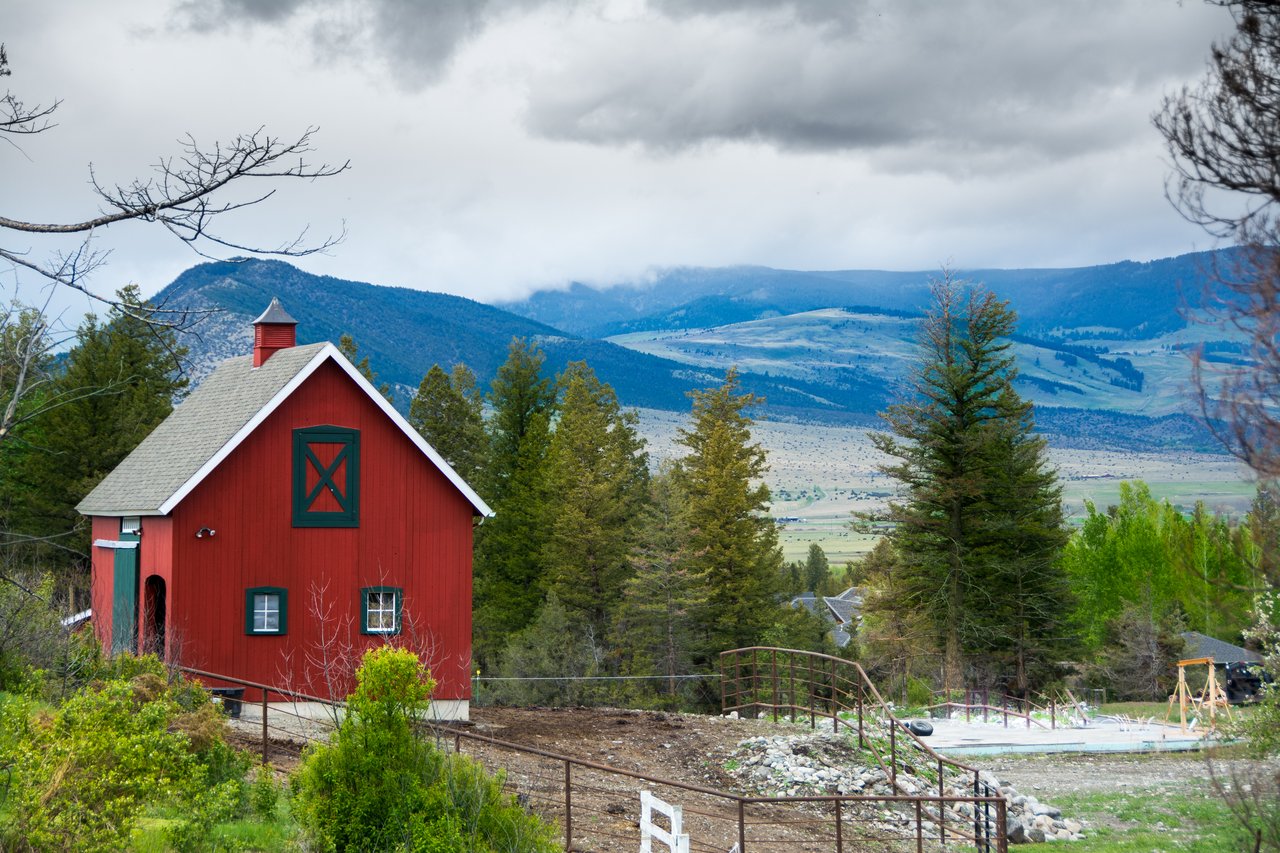
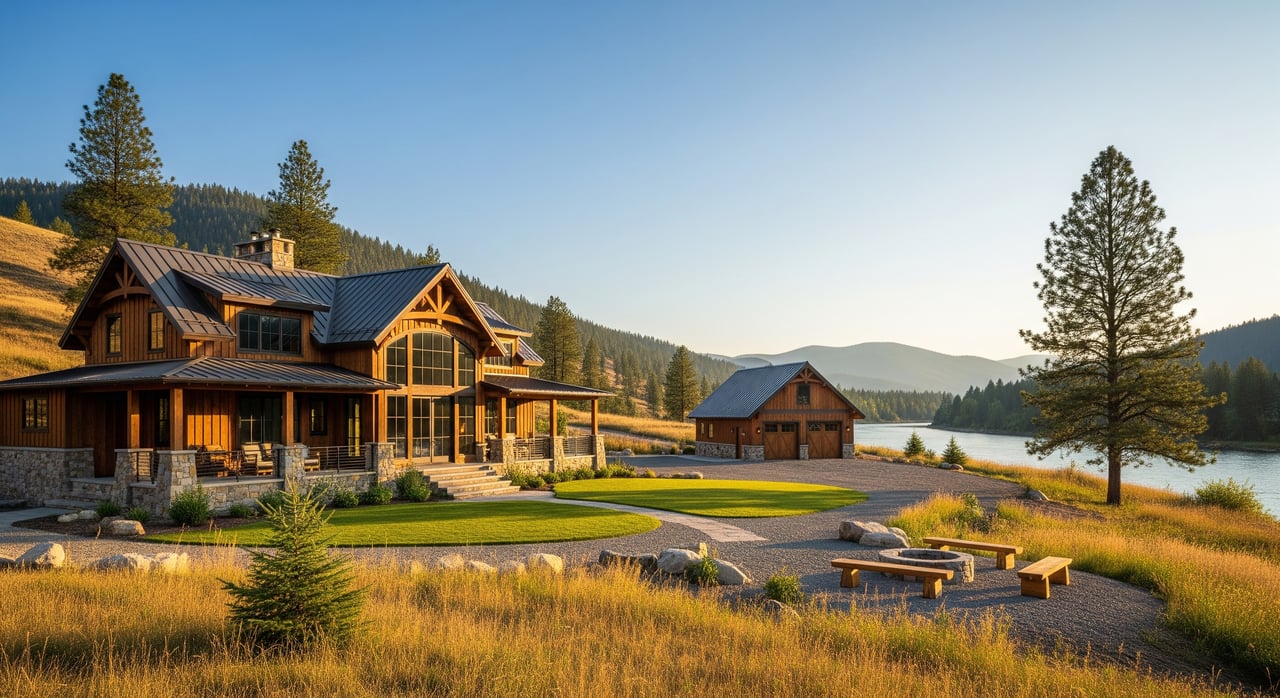
You’ll see a wide mix that reflects small-town Montana living. In-town neighborhoods often feature older wood-frame and bungalow-style homes from the early to mid 20th century. You’ll also find manufactured or modular homes, practical ranch-style houses, and cabin or log-style properties, especially near riverfront or forested areas. Outside town, rural ranchettes and hobby farms are common.
In-town character
In the city limits, many homes are on smaller lots with houses closer together. Older homes may need updates, while others have been refreshed over time. Municipal services like water and sewer are more common in town. Multifamily options are limited compared to larger cities, so most choices are detached homes.
Outside town and rural
As you move beyond the city, you’ll see a broader mix of manufactured homes, ranch-style residences, and cabins. Rural parcels often offer more privacy and space for equipment, animals, or a garden. Many rural homes rely on private wells and septic systems. Driveways, winter access, and shop space become more important factors.
Lot size patterns you’ll encounter
Lot size changes as you move from the city center to the countryside. In town, lots are generally smaller than 1 acre. On the edge of town and in rural subdivisions, parcels often range from about half an acre to several acres. Farther out, you’ll see larger acreage like 5, 20, or 40-plus acres, along with expansive ranch and timber parcels.
In-town lots
Town lots are often small to moderate in size. In many small Montana towns, it’s common to see lots from roughly a quarter to a half acre, with some smaller infill parcels. Homes sit closer together and have easier access to services. Side yards and backyards vary, so confirm actual lot dimensions rather than relying on estimates.
Edge of town and rural residential
These areas tend to provide room for a shop, RV parking, and small-scale agricultural uses. You may find parcels around a half acre up to a few acres in subdivision settings. Covenants and private road agreements sometimes apply, which can affect what you can build and how roads are maintained. Verify road maintenance and winter plowing responsibilities early in your search.
Larger rural and specialty parcels
Beyond the subdivisions, parcels can span 5, 20, 40, or more acres. Riverfront, lake-adjacent, and forested tracts are common. These properties offer privacy and recreation potential, but you’ll want to consider floodplain status, wildfire defensible space, and utility planning. A site visit is essential to understand topography and usable area.
What affects usable lot area
Acreage does not always equal usable space. Topography, wetlands, riparian buffers, and floodplain designations can limit where you can build or place outbuildings. Easements and setbacks also reduce buildable footprint. Check whether the parcel is served by municipal utilities or needs a well and septic.
How to verify before you buy
- Confirm parcel size, legal description, and any easements with county records and a title report.
- Review a survey or recorded plat to understand boundaries and setbacks.
- Check FEMA flood maps for the Clark Fork River corridor if you’re near water.
- Contact the Sanders County Sanitarian to review septic permits or plan a site evaluation.
- Ask for well logs and water test data where applicable.
Outbuildings and shop space
Outbuildings are a major part of many Thompson Falls properties. In town, you’ll find attached or detached 1 to 2 car garages and small sheds. In rural areas, larger shops and pole barns are common and often a top priority for buyers. Typical metal shops might be about 30 x 40 or 40 x 60, with room for equipment, hobbies, or a small workspace.
What you commonly see
- Detached garages and small workshops on town lots where space allows.
- Pole barns and metal shops on rural parcels, sometimes with tall doors for larger vehicles.
- Storage sheds, lean-tos, and traditional barns on older farm properties.
Permits and placement basics
Both the City of Thompson Falls and Sanders County have permitting thresholds for new structures. Setbacks, easements, and utility corridors govern where you can build. Frost-protected foundations are often needed for larger shops due to climate. Electrical service upgrades and inspections are typically required for 120/240V power, RV outlets, or plumbing.
Buyer checks for outbuildings
- Ask for permit history for any shop, garage, or addition.
- Confirm electrical service capacity and any needed upgrades.
- Review covenants in subdivisions that may limit building size or placement.
- Plan for fire safety spacing and materials, especially in forested settings.
RV parking and storage
Many rural properties can accommodate RVs with room to turn, park, and store under cover. In town, space can be tighter and long-term parking rules may apply. Long-term living in an RV is often regulated and may require proper hookups and permits.
Hookups and pads
- A dedicated 30A or 50A electrical hookup is common for longer stays.
- Approved sewer or septic connections and water access are key for comfort and safety.
- A level gravel or concrete pad improves stability and protects landscaping.
Rules vary by location
Check city rules for on-street or long-term RV parking inside Thompson Falls. Outside city limits, county ordinances and subdivision covenants may set standards. If you plan to live in an RV while building, confirm what permits and hookups are required for temporary dwellings.
Practical tips when viewing homes
- Look for a wide, level approach with adequate turning radius.
- Confirm there is space for a covered RV bay if that’s on your wish list.
- Ask whether a dedicated RV outlet is already installed or feasible.
Buyer checklist for Thompson Falls
- Parcel details: verify lot size, legal description, easements, and any covenants through county records and the title report.
- Utilities: determine if the property has municipal water/sewer or a private well and septic. Request well logs, water tests, and septic permits.
- Permits: ask for permits for shops, additions, or major system upgrades. Confirm with the city or county.
- Flood and environmental: review FEMA flood maps and ask about past drainage issues, especially near the Clark Fork River.
- Access: confirm road maintenance and winter plowing for city, county, or private roads.
- Fire risk: evaluate vegetation and defensible space on forested parcels.
- Zoning and uses: confirm what is allowed for home businesses, livestock, or accessory buildings.
- Internet: check provider options and speeds if you work remotely.
- Cost planning: budget for potential well or septic work, electrical upgrades for shops or RV hookups, driveway improvements, or private road dues.
Finding the right fit in Thompson Falls comes down to matching your lifestyle with the right lot, utilities, and outbuildings. Whether you want a tidy in-town lot, a rural home with a shop, or a larger acreage with river access, a clear due diligence plan will help you buy with confidence. If you’re ready to refine your wish list and budget, connect with a local expert who knows the ground and the process. Contact Deborah Warren for a friendly consult and next steps.
FAQs
Can I park an RV year-round in Thompson Falls?
- It depends on whether you are inside city limits, county rules, and any subdivision covenants. Confirm local regulations and required hookups or permits.
How big of a shop can I build on a rural lot?
- Size is governed by setbacks, lot coverage, and building codes. Check with the City of Thompson Falls for in-town parcels or Sanders County for rural properties.
Are private wells and septic systems common near Thompson Falls?
- Yes, many rural homes use private wells and septic. Ask for well logs and septic records, and consult the county sanitarian for site suitability.
Does acreage equal usable space in Sanders County?
- Not always. Floodplain, slopes, wetlands, easements, and utility corridors can reduce buildable area, so verify with surveys and site evaluations.
What lot sizes are typical inside Thompson Falls city limits?
- Lots are generally smaller than 1 acre. In many small Montana towns, quarter- to half-acre lots are common, but confirm exact size with county records.