Dreaming about a cabin near Plains is easy. The hard part is knowing whether that beautiful property will work the way you need it to, in every season. If you are thinking about a second home in this part of Sanders County, you need more than a great view. You need a clear picture of access, utilities, river rules, and year-round upkeep. Let’s dive in.
Why Plains appeals to second-home buyers
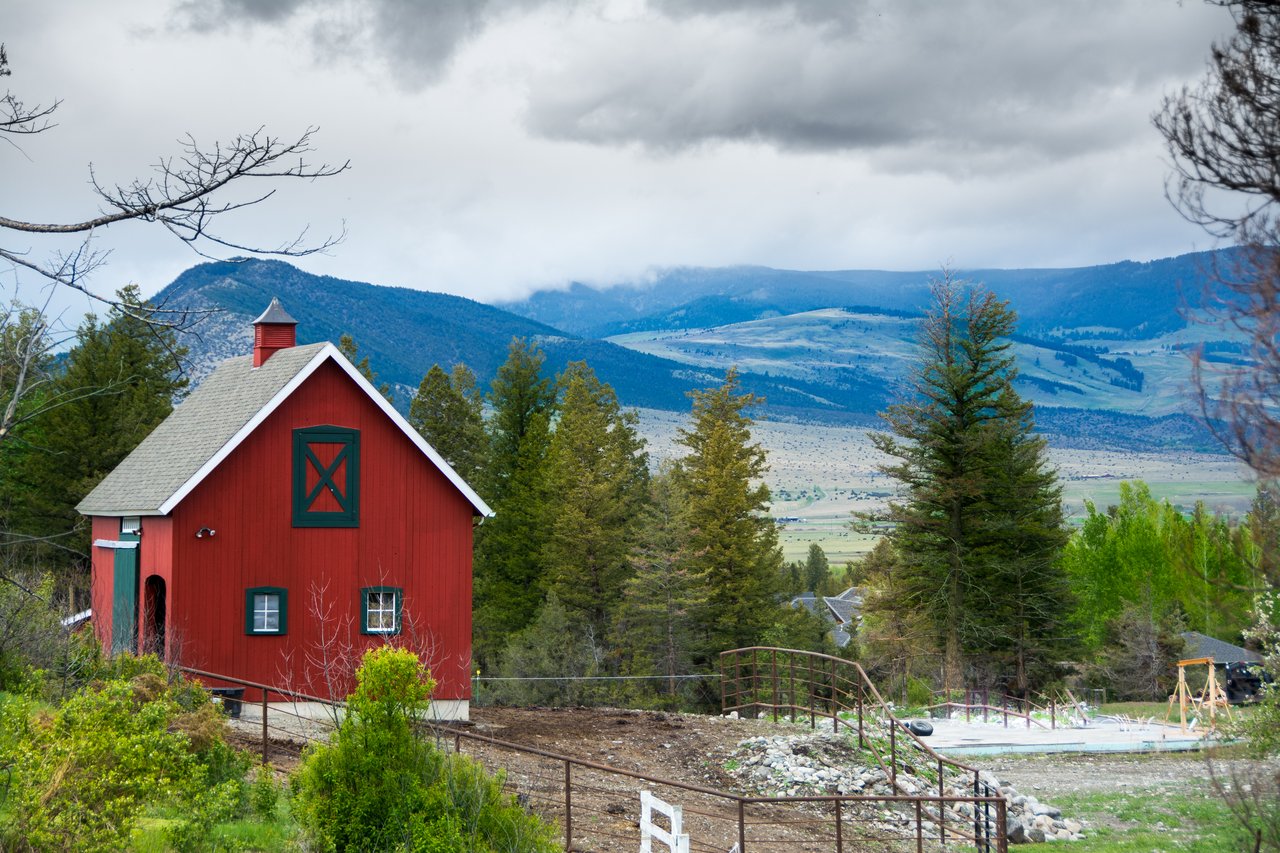
Plains offers the kind of Montana setting many buyers picture when they start searching for a cabin or getaway property. The community sits along the Clark Fork River in Sanders County, about 80 miles northwest of Missoula on Highway 200, with mountain terrain and strong access to outdoor recreation.
The Plains area also has practical appeal for part-time owners. Sanders County lists an active airport in Plains, which can be helpful if you live out of area and want easier travel to and from your property. For many buyers, that mix of scenery and usability is part of what makes the area worth a closer look.
Treat cabins like due diligence buys
A second home near Plains is often a lifestyle purchase, but it is also a due diligence purchase. Before you fall in love with the river, trees, or privacy, make sure the property works on paper and on the ground.
In this area, your checklist should go beyond price and square footage. You will want to confirm legal access, road conditions, water and septic status, flood or channel-migration concerns, and wildfire planning. Those details can shape how often you use the property, how much it costs to maintain, and how easy it is to insure, service, or improve.
Check legal access first
One of the biggest mistakes buyers can make in rural Montana is assuming a road to the property means legal access is in place. Sanders County specifically advises buyers to verify easements and legal access before purchase.
That matters because a rural address does not prove you have legal access to the parcel. The county assigns addresses from driveway locations, but that is separate from confirming the access rights you need. If you are buying a cabin or second home near Plains, this is one of the first items to review.
Why an address is not enough
It is easy to see a mapped address and assume the basics are covered. In Sanders County, that would be a mistake. An address helps identify a property, but it does not replace title review, easement review, or access verification.
For a second-home buyer, this can be especially important if you plan to visit only part of the year. You do not want to arrive in winter, or line up a contractor, and then learn access is limited or unclear.
Driveways and road permits matter
If the property connects to a county road, Sanders County requires a driveway encroachment permit. If access comes from a state highway, Montana Department of Transportation permits are required.
County subdivision rules also require road maintenance agreements or public dedication for subdivision streets. They also prohibit direct driveway access to primary highways without approval. If you are buying land with plans to build later, these details are worth checking early.
Understand year-round road conditions
A cabin can feel remote and peaceful in July, then become much harder to reach in January. Sanders County says it has about 1,699 miles of roads, including paved and unimproved dirt roads, and some public roads are not maintained or plowed.
Private roads are the homeowner’s responsibility. The county also warns that winter weather may require four-wheel drive and chains, and that narrow or steep roads can complicate construction and service access. If this is a part-time home, ask yourself how comfortable you are with seasonal road challenges.
Questions to ask about roads
Before you buy, it helps to get specific. Ask questions such as:
- Is the road public or private?
- Who maintains and plows it?
- Is there a recorded road maintenance agreement?
- Can emergency and service vehicles reach the home easily?
- What happens during snow, ice, or spring runoff?
These are not small details. They affect convenience, safety, and long-term ownership costs.
Review water and septic carefully
For many cabins and second homes near Plains, water and wastewater systems are private rather than municipal. That makes system review a key part of your buying process.
Montana DEQ says public water systems are regulated, but private wells are not. DEQ recommends an annual well check-up and testing at least for coliform bacteria and nitrates. If flooding has occurred, DEQ also advises retesting and disinfecting because floodwater can contaminate wells and septic systems.
Private wells need real verification
If a listing says a property has a well, that is only the starting point. You still want to confirm the well’s condition, testing history, and whether the setup fits your expected use of the property.
For a second home, this matters because systems can sit unused for stretches of time. You want to know what kind of maintenance has been done and whether the well has been checked regularly.
Septic systems need maintenance
Montana DEQ’s homeowner guidance says septic systems generally need pumping every three to five years, depending on use. Suitable soil is also necessary for proper treatment, and alternative systems may be needed where soils, groundwater, or surface-water conditions are more restrictive.
A poorly maintained or failed septic system can contaminate groundwater and surface water and can be expensive to repair. For a cabin buyer, it is smart to ask not only whether a septic system exists, but when it was last serviced and whether there are records tied to the system.
County permits and records matter
Sanders County Environmental Health permits and inspects wells and wastewater systems. The county also maintains well and septic permit maps, wastewater regulations, and homeowner information.
That means you can go beyond surface-level answers. A stronger review looks at permits, site conditions, and maintenance history so you understand how the property’s actual system is set up and whether it fits your plans.
Be careful with riverfront assumptions
Riverfront and near-river properties are a major draw around Plains. They can offer scenery, recreation, and that classic Montana cabin feel. Still, river access and river risk are not things to assume.
Montana’s Stream Access Law allows the public to use rivers and streams for recreation up to the ordinary high-water mark, but it does not allow crossing posted private land to reach the water. Montana Fish, Wildlife & Parks also says public access may occur from a public bridge or county road right-of-way. In other words, access should be confirmed parcel by parcel.
River access is not always exclusive
If you are buying near the Clark Fork, make sure you understand exactly what the property includes and what public access rules apply nearby. A map view or marketing photo does not tell the whole story.
This is one reason local guidance matters so much in recreational markets. A property can still be very appealing, but you want clear expectations before you buy.
Floodplain and channel migration deserve attention
The Clark Fork near Plains has seen meaningful channel change. The Montana State Library says the Clark Fork-Plains Channel Migration Zone project was completed in 2014 and covers an 8-mile reach from Henry Creek to Lynch Creek to address channel changes since the 1997 flood.
If you are considering a cabin near the river corridor, floodplain review and bank-migration review are especially important. A beautiful setting can come with added planning needs, insurance questions, or building limitations.
Plan for wildfire before you close
Wildfire readiness is part of owning rural property in Sanders County. The county describes its Community Wildfire Protection Plan as a roadmap for living safely with wildfire, and the Montana Department of Natural Resources and Conservation says these plans identify hazards, mitigation strategies, and funding opportunities.
Sanders County also uses Hyper-Reach alerts, and county emergency guidance notes that fire, ambulance, and search-and-rescue services are volunteer-based, so response times cannot be guaranteed. For second-home owners, that makes advance planning especially important.
What buyers should look for
Ask practical questions during your search, including:
- How accessible is the property for emergency response?
- Is there defensible space around the cabin or homesite?
- What kind of vegetation management may be needed?
- How will you monitor alerts if you live out of area?
- Is the property layout realistic for year-round ownership?
DNRC also says landowners can reduce wildfire risk by managing fuels and requesting a wildfire risk assessment. That makes wildfire prep part of smart ownership, not just a worst-case scenario discussion.
Match the property to your real use
Not every second home serves the same purpose. Some buyers want an easy weekend retreat with straightforward access and fewer maintenance demands. Others want acreage, river proximity, or a more off-grid feel and are comfortable with the added complexity.
The key is to match the property to how you will actually use it. If you plan to visit often in winter, road access matters more. If you want a seasonal fishing base, public access rules, river conditions, and water system maintenance may matter more.
A smart buying checklist near Plains
As you narrow your search, keep this short checklist in mind:
- Verify legal access and easements
- Confirm whether roads are public or private
- Ask who maintains and plows the road
- Review driveway or highway access permit needs
- Check well testing and maintenance history
- Review septic permits, condition, and service records
- Confirm floodplain or channel-migration concerns
- Understand river access rules for that parcel
- Ask about wildfire mitigation and emergency access
- Make sure the property fits your real travel and upkeep plans
A cabin near Plains can be a great fit for your Montana goals. The best purchases happen when the lifestyle picture and the property details line up.
If you are thinking about buying a cabin or second home near Plains, local guidance can save you time and help you ask better questions from the start. Deborah Warren brings decades of Sanders County experience and a practical understanding of riverfront, recreational, and rural property so you can move forward with more confidence.
FAQs
What should you verify before buying a cabin near Plains, Montana?
- You should verify legal access, road maintenance responsibility, water and septic status, flood or channel-migration concerns, and wildfire preparedness before you buy.
Do rural properties near Plains always have legal access?
- No. Sanders County advises buyers to confirm easements and legal access because a rural address does not prove legal access to the parcel.
Are roads near Plains always maintained in winter?
- No. Sanders County says some public roads are not maintained or plowed, and private roads are the homeowner’s responsibility.
What should you know about wells and septic systems near Plains?
- Private wells are not regulated like public water systems, and Montana DEQ recommends annual well check-ups and testing for coliform bacteria and nitrates, while septic systems generally need pumping every three to five years depending on use.
Can you assume riverfront property near Plains includes private river access?
- No. Montana stream access rules mean river use and access points should be reviewed parcel by parcel rather than assumed from a map or listing.
Why does flood or channel migration matter near the Clark Fork by Plains?
- The Clark Fork-Plains Channel Migration Zone project covers an 8-mile reach near Plains, which makes floodplain and bank-migration review especially important for properties near the river corridor.